
Can Teeth Be Sensitive After Teeth Whitening?
Expert Guidance on Managing Teeth Sensitivity After Whitening
A bright, white smile is something many people aspire to. You buy a whitening kit or visit the dentist, hoping for a glowing result. But shortly after the treatment, you take a sip of cold water and feel a sharp zap of pain. Tooth sensitivity is a very common side effect of teeth whitening procedures. The bleaching agents used to remove stains can temporarily leave your teeth feeling vulnerable. This discomfort can make eating, drinking, and even breathing cold air unpleasant. Fortunately, there are ways to combat sensitive teeth after whitening. Here’s what you need to know to avoid the problem.
Why Teeth Become Sensitive After Whitening
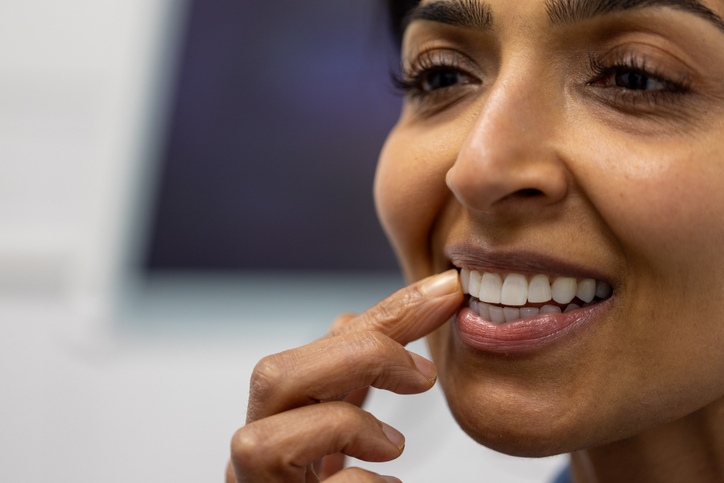
Your teeth are actually made up of several layers—the hard outer layer (enamel) and the underlying layer (dentin). Whitening products penetrate the enamel to break down deep stains, but in the process, they open up the pores in the enamel and expose the dentin underneath. When the dentin is exposed, outside triggers like hot coffee, cold ice cream, or even a cool breeze can easily reach the inner nerves inside your teeth. This direct stimulation causes the sudden pain we think of as tooth sensitivity.
How Long Does Teeth Sensitivity Last After Whitening?
The good news is that whitening-induced sensitivity is usually temporary. For most people, the sharp pain and discomfort peak within 24 to 48 hours after treatment. After the first couple of days, your teeth will begin to remineralizer. The microscopic pores in the enamel naturally close back up and protect the sensitive dentin and nerves once again. By the end of the first week, most people notice their sensitivity has completely disappeared.
How Do You Get Rid of Sensitive Teeth After Whitening?
If you can’t wait several days for the discomfort to subside, there are a few ways to calm the nerves and protect your enamel while it heals. Try these tips for minimizing sensitivity after teeth whitening:
- Use Desensitizing Toothpaste—Switch to a toothpaste specially formulated for sensitive teeth. These products contain compounds that help block the pain signals traveling from the tooth surface to the nerve.
- Take Over-The-Counter Pain Relievers—Medications like ibuprofen or acetaminophen can help reduce inflammation and dull the pain. Take them before your whitening session or immediately after to manage the discomfort.
- Avoid Extreme Temperatures—Stick to room-temperature foods and drinks. Hot tea, ice water, and cold desserts will only aggravate the exposed nerves and worsen your discomfort.
- Use a Soft-Bristled Toothbrush—Brushing too hard can wear down your enamel and irritate your gums. A soft-bristled brush will clean your teeth gently without causing extra pain during your daily oral hygiene routine.
How to Whiten Sensitive Teeth Safely and Without Pain
Having naturally sensitive teeth doesn’t mean you have to give up on a brighter smile. You simply need to take a gentler approach to the bleaching process. If you want to whiten at home, choose a product with a lower concentration of peroxide. While it might take a few extra days to see results, the milder formula is much kinder to your enamel. You can also space out your treatments. Instead of applying whitening strips every single day, use them every other day. This gives your teeth time to recover and remineralize between sessions.
Nevertheless, consulting with your dentist is always the best route. They can offer custom-fitted trays that keep the bleaching gel off your gums, or provide professional-grade desensitizing gels to use alongside your whitening treatment.
Preventing Tooth Sensitivity in the Future
Planning ahead can save you a lot of discomfort the next time you decide to brighten your smile. A few simple adjustments to your routine can keep sensitivity at bay. Start using a desensitizing toothpaste two weeks before you plan to whiten. Building up that protective barrier early will lessen the impact of the peroxide. Avoid highly acidic foods and drinks, such as citrus fruits, soda, and sports drinks, right before and after whitening. Acid weakens the enamel, making the bleaching agents harsher on your teeth. Finally, always follow the instructions on your whitening kit or from your dentist. Leaving strips or gels on your teeth longer than recommended will not make your teeth significantly whiter, but it will definitely cause unnecessary pain.
Enjoy a Bright and Comfortable Smile
Teeth whitening is a highly effective way to boost your confidence, but temporary sensitivity can put a damper on things. Fortunately, understanding how to help sensitive teeth after whitening can make a big difference for your comfort. At Dental Care of Wheaton, we’re here to help you make the most of treatment and avoid any unnecessary pain. With years of experience under our belt, we can recommend the cosmetic options best suited to your needs. Contact us today to schedule an appointment at our Wheaton, IL office.