
The Crucial Role of Aftercare in Ensuring Long-Lasting Implants
Why Aftercare Is Essential for Long-Lasting Dental Implants
Getting dental implants is a major step toward restoring your smile, your confidence, and your ability to chew comfortably. The surgical procedure itself has a very high success rate, but the process doesn’t end when you leave the dentist’s chair. The way you care for your new teeth in the days, months, and years following surgery determines how long they will last. So, let’s look at dental implant aftercare and how you can maximize your chances of enjoying your dental implants for years to come.
Don’t Skip Dental Implant Aftercare
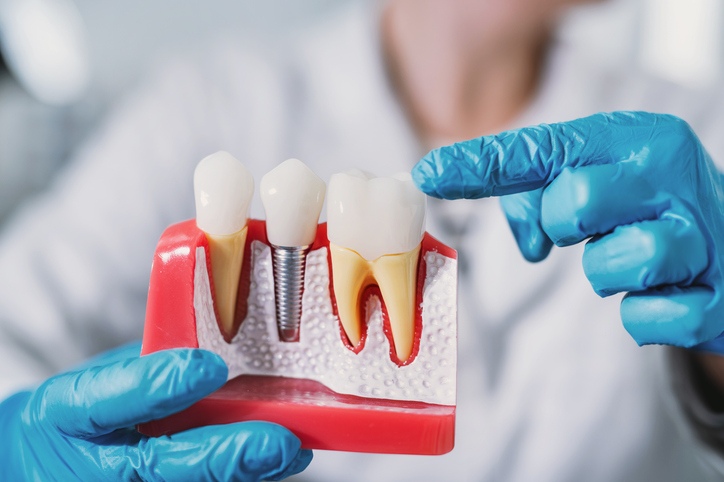
Whatever you do, don’t skip dental implant aftercare. The dental implant procedure relies on a titanium post integrating with the rest of your jawline, creating a rock-solid foundation for your new tooth. Poor oral hygiene or bad habits can easily disrupt this vital healing process. In some cases, bacteria build up around the implant, causing inflammation and bone loss. Without prompt treatment, the bone will deteriorate until it can no longer support the post, eventually causing the implant to fail completely. Following a strict aftercare routine keeps harmful bacteria at bay and protects your brand-new smile.
What to Expect Right After Implant Surgery
After the local anesthesia wears off, you’ll likely experience some mild discomfort. Swelling around your gums, cheeks, and face is completely normal during the first 48 hours. You might also notice minor bruising or slight oozing at the surgical site. But don’t worry, your dentist will provide specific instructions to manage these early symptoms. They usually recommend over-the-counter pain relievers and suggest applying cold compresses to the outside of your face. The initial healing phase requires some patience, but the swelling and pain should steadily subside within a few days.
What Not to Do After Implant Surgery
While there’s plenty you should do after surgery, there’s also a lot you should avoid. Certain things disrupt the healing process and could even jeopardize your implant. For one, smoking is highly detrimental. It restricts blood flow to the gums, slowing down recovery and vastly increasing the risk of infection. You should also avoid drinking liquids through a straw. The suction created in your mouth can dislodge the blood clot forming over the surgical site and lead to a painful complication called dry socket. Furthermore, stay away from hard, crunchy, sticky, or extremely hot foods during the first few weeks. Chewing on tough items puts unnecessary pressure on the healing implant and the tender gum tissue surrounding it.
How to Care for Dental Implants in the Short-Term
Aftercare immediately following your procedure sets you up for a smooth healing process. For the first 24 hours, rest quietly and keep your head elevated on a few pillows to minimize facial swelling. Stick to a soft food diet, such as yogurt, mashed potatoes, applesauce, and lukewarm soups. When it comes to cleaning, brush your remaining natural teeth normally, but completely avoid the surgical area. Your dentist might prescribe a special antimicrobial mouthwash to keep the site clean without the need for aggressive brushing. After a few days, once the tenderness decreases, you can start gently cleaning around the implant using an extra-soft-bristled toothbrush. That said, always follow your dentist’s specific instructions for aftercare in your unique situation.
Preserving Your Dental Implants in the Long Run
Now you know how to care for yourself immediately after surgery, but how do you maintain dental implants in the long run? Luckily, maintenance is very similar to caring for your natural teeth. Brush at least twice a day and don’t forget to floss. Flossing is essential to get into tight spaces between your implant and neighboring teeth. Water flossers are an excellent option for flushing out food debris along the gum line, if you’re able to get one. Regular dental check-ups are crucial, too. Keeping up with your twice-annual appointment means your dentist can monitor your implant’s health and keep infection at bay.
Tips for Long-Lasting Dental Implants
When cared for properly, dental implants are designed to last a lifetime. Here are a few additional tips for making sure your restorations stay in good condition:
- Wear a Nightguard—If you grind your teeth in your sleep, ask your dentist for a custom mouthguard. Grinding puts massive force on your implants and could potentially crack the crown or loosen the post beneath the gums.
- Choose the Right Tools—Use an electric toothbrush to remove plaque more efficiently. Beyond that, opt for unwaxed floss or implant-specific floss to avoid leaving harmful fibers behind in your gums.
- Eat a Balanced Diet—Maintain a diet rich in calcium and vitamin C. These nutrients support strong jawbones and resilient, healthy gums.
- Stay Hydrated—Drinking plenty of water washes away food particles and keeps your mouth moist, which naturally reduces bacterial growth.
Don’t Ignore These Signs of Implant Problems
While dental implant surgery is highly successful, complications are possible. Pay close attention to how your mouth feels during the weeks and months following your procedure. Persistent pain that worsens over time is a clear warning sign. Red, puffy, or bleeding gums around the implant strongly suggest an underlying infection. If the implant itself feels loose or shifts slightly when you chew, the bone may be failing to hold it securely. Additionally, chronic bad breath or a foul taste in your mouth could mean bacteria are building up deep beneath the gum line. At the first sign of a problem, reach your dentist for an emergency appointment.
Protect Your Smile for Years to Come
Dental implants are a permanent, natural-looking solution for missing teeth. However, they can still wear down over time if you don’t care for them properly. The team at Dental Care of Wheaton can help you protect your dental implants for years to come, whether that’s by offering aftercare advice or providing exceptional general dentistry services. Reach out to our Wheaton, IL office today to learn more about dental implants and how to maintain them.