The Connection Between Oral Health and Heart Disease
Know The Link Between Oral Health and Heart Disease
You likely already know that good oral hygiene is essential for keeping cavities at bay. You’re probably also aware that proper brushing and flossing habits prevent painful toothaches before they occur. But did you know that your oral health is also connected to your heart health? A growing body of evidence suggests a strong relationship between the health of your gums and the health of your cardiovascular system. Taking care of your teeth might actually help protect your heart. Learn more about oral health and heart disease and how regular dental care can promote overall well-being.
Can Poor Oral Hygiene Cause Heart Disease?
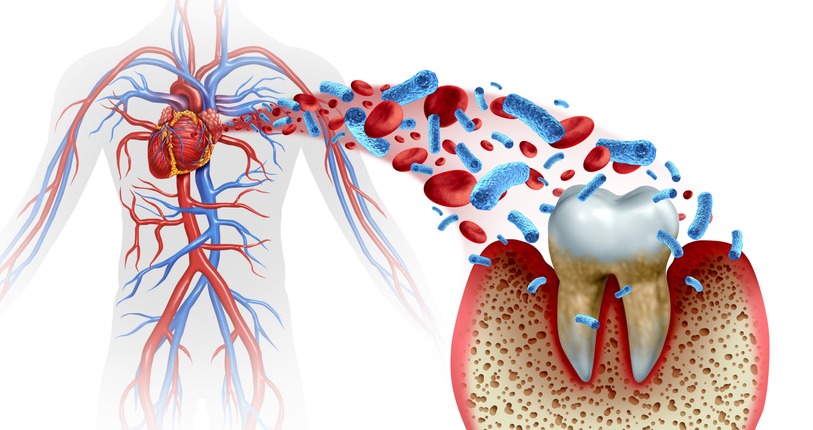
While researchers are still studying the exact mechanisms, data consistently show that people with moderate to severe gum disease have a higher risk of cardiovascular problems. When gum disease is left untreated, the soft tissue and bone that support your teeth can become inflamed. That constant state of inflammation may stress the immune system and contribute to the buildup of plaque in the arteries. Plaque development, known as atherosclerosis, is a direct cause of heart attack and stroke.
How Bacteria in the Mouth Can Affect Your Heart
Your mouth is home to millions of bacteria. Most of them are harmless, especially when you practice good oral hygiene. But if plaque builds up on your teeth, harmful bacteria multiply rapidly. Should your gums become inflamed and bleed, those dangerous bacteria can enter your bloodstream and travel throughout the body. They might attach to deposits in the blood vessels, which can cause blood clots over time.
How Are Oral Health and Heart Disease Linked?
Let’s take a closer look at the link between periodontal disease and cardiovascular health. Inflammation is the key word here. It occurs when your body is dealing with an infection or injury, and gum disease is no exception. If the gum infection isn’t cleared away through proper dental care, the chronic inflammation can damage the blood vessels and heart over time. By reducing the inflammation in your mouth, you lower the burden on your entire body.
Don’t Ignore These Symptoms of Gum Disease
Now that you know how oral bacteria affect your heart, what next? The best thing you can do is educate yourself on gum disease and good oral hygiene. With this in mind, be sure to get familiar with these common symptoms of inflamed gums:
- Red, swollen, or tender gums
- Gums that bleed easily when you brush or floss
- Persistent bad breath or a bad taste in your mouth
- Gums that are pulling away from your teeth (receding gums)
- Loose teeth or changes in how your teeth fit together when you bite
- Pus between your teeth and gums
Can Brushing Teeth Reduce Heart Disease Risk?
Keeping up with a consistent oral hygiene routine is an excellent way to reduce your risk of gum disease, which in turn helps lower your heart disease risk. However, brushing alone isn’t enough. Flossing daily is equally important because it removes food particles and plaque from between the teeth and under the gumline—areas a toothbrush can’t reach. When you consistently remove inflammation-causing bacteria, you prevent those bacteria from threatening your immune system and heart.
Who Is Most at Risk for Health Problems?
Anyone can develop gum disease or heart conditions, but some people have a higher risk than others. For example, people who smoke or use tobacco products are at a significantly higher risk for severe gum infections and heart problems. Diabetes is another major risk factor. High blood sugar levels can impair the immune system and increase the severity of gum disease. Additionally, poor diet, high stress levels, and genetics play a role in your susceptibility to these conditions. Whether you have one of these risk factors or not, good oral hygiene is your first line of defense against heart problems.
Quick Tips to Protect Your Oral and Heart Health
Protecting your smile and your heart requires consistency, but it isn’t as tedious as you might think. These simple steps can help keep oral health and heart disease in check:
- Stick to a Daily Routine—Brush your teeth at least twice a day for two minutes each time, and floss at least once a day to clean the tight spaces between your teeth. Aim to do your routine around the same time each day until it becomes a habit.
- Eat a Heart-Healthy Diet—Limit sugary snacks and beverages, which feed the harmful bacteria in your mouth. Instead, focus on a diet rich in whole grains, lean proteins, vegetables, and fruits.
- Quit Smoking—If you smoke, seek resources to help you quit. Quitting tobacco is one of the most impactful things you can do for both your oral tissues and your cardiovascular system.
When to See a Dentist
You should visit your dentist for a routine cleaning and check-up every six months. Professional cleanings remove hardened plaque (tartar) that you can’t remove at home. Your dentist will also screen for early signs of gum disease, cavities, and oral cancer. However, if you’re dealing with tooth pain, bleeding gums, or persistent bad breath, don’t wait for your next appointment. Contact your dentist right away to schedule a visit as soon as possible.
Head to the Dentist—Your Heart Will Thank You
Your body is more interconnected than you might realize. Neglecting your oral health doesn’t just affect your teeth; it can also affect your heart. If it’s time to be proactive about oral hygiene, get in touch with Dental Care of Wheaton. Our team is here to help you restore your dental health for years to come. Make an appointment at our Wheaton, IL office today.