
Broken Tooth: Repair Options and When It’s a Dental Emergency
A broken tooth can cause pain, worry, and trouble eating. Even a small chip may expose weaker parts of the tooth or grow worse over time. If you’re dealing with one or more broken teeth, you need Dental Care of Wheaton. We help our patients in Wheaton, IL, understand the extent of their damage and choose an appropriate broken-tooth repair option. Prompt care can protect your tooth and prevent further problems.
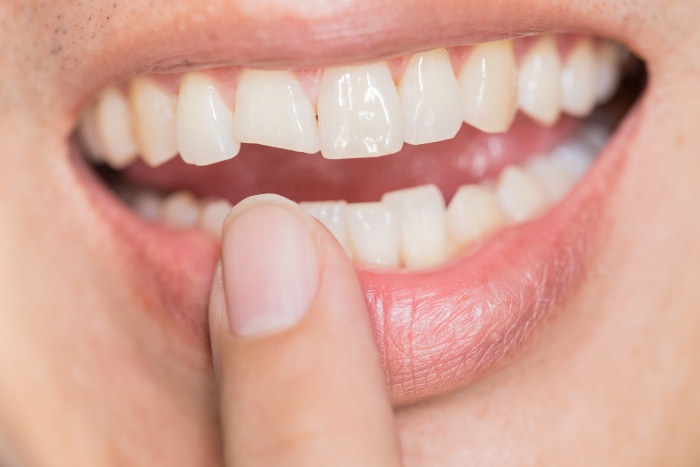
What Causes a Broken Tooth?
Teeth are strong, but they can break under too much pressure. Common causes include:
- Biting Hard Foods – Ice, hard candy, popcorn kernels, and other firm foods can chip or crack a tooth.
- Falls and Accidents – A blow to the face during a fall, car accident, or sports activity can damage one or more teeth.
- Teeth Grinding – Grinding or clenching places repeated pressure on your teeth, which can lead to fractures.
- Large Fillings – A tooth with a large filling may have less natural structure, making it more likely to break.
- Untreated Decay – A cavity can weaken a tooth from the inside.
- Sudden Temperature Changes – Moving quickly between very hot and cold foods may place stress on tooth enamel.
Common Types of Tooth Damage
The right types of tooth fracture treatment depend on the location and depth of your damage. Among the most common problems are:
- Craze Lines – These are tiny lines in the enamel that often don’t hurt or require treatment.
- Chipped Tooth – Chipped tooth treatment may involve smoothing or bonding an area where a small piece of enamel has broken away.
- Cracked Tooth – A crack may begin on the chewing surface and extend toward the root.
- Fractured Cusp – This happens when part of the tooth’s chewing surface breaks, often near a filling.
- Split Tooth – The tooth has separated into two or more parts.
- Root Fracture – The damage begins below the gumline and affects the tooth’s root.
Signs and Symptoms of a Broken Tooth
Some tooth damage is easy to see. Other cracks are difficult to find without a dental exam. Look for the following warning signs:
- Pain when biting or releasing your bite
- Sensitivity to hot, cold, or sweet foods
- A rough or sharp spot on the tooth
- Swelling around the tooth or gum
- Pain that comes and goes
- A visible crack, chip, or missing piece
- Redness or a bad taste near the damaged tooth
A broken tooth may not always hurt, so a lack of pain doesn’t mean the tooth is safe.
What to Do Immediately After Breaking a Tooth
Knowing what to do with a broken tooth may improve your comfort and protect the damaged area:
- Rinse Your Mouth – Use warm water to gently clean your tooth and nearby gums.
- Control Swelling – Hold a cold compress against the outside of your face.
- Save Broken Pieces – Place any tooth fragments in a clean container and bring them to your appointment.
- Protect Your Mouth – If the tooth has a sharp edge, cover it with dental wax until you receive care.
- Avoid Chewing on That Side – Choose soft foods and don’t bite with the damaged tooth.
- Call a Dentist – Explain what happened and describe any pain, bleeding, or swelling.
Risks of Delaying Treatment
A chip or crack may become larger when you chew. Bacteria can also enter the tooth and reach the soft tissue inside it. Delaying treatment may lead to:
- Greater pain or sensitivity
- Infection or an abscess
- Damage to the tooth’s nerve
- A need for more complex treatment
- Tooth loss
A tooth fracture that causes pain or injures soft tissue may require urgent dental care. Uncontrolled bleeding, severe infection, or swelling that affects breathing requires immediate medical attention.
Can a Broken Tooth Heal on Its Own?
Tooth enamel doesn’t repair itself like skin or bone. Symptoms may fade, but the damage will remain. However, we’re happy to say yes when our patients ask, “Can a cracked tooth be fixed?” Methods to do so include:
- Dental Bonding – Tooth-colored resin can rebuild a small chip.
- Filling – A filling may restore a limited area of damage.
- Dental Crown – A crown covers and protects a weakened tooth.
- Root Canal Treatment – This may be needed if the damage extends to the tissue inside the tooth.
- Extraction – A tooth that cannot be saved may need to be removed.
Contact Us for Broken Tooth Treatment in Wheaton, IL
Don’t wait for a damaged tooth to become painful. Contact our team at Dental Care of Wheaton for broken-tooth repair or emergency broken-tooth treatment today.
FAQ About Broken Teeth
Is a Chipped Tooth Considered a Dental Emergency?
A small chip without pain may not be an immediate emergency, but it should still be checked promptly.
Can a Broken Tooth Be Repaired Permanently?
In many cases, yes. Dental bonding, fillings, crowns, and root canal treatment can provide long-term results. The best choice depends on how much healthy tooth remains and whether the root or inner tissue is damaged.
How Soon Should I See a Dentist After Breaking a Tooth?
Call a dentist as soon as possible. Same-day care may be needed for severe pain, swelling, bleeding, exposed inner tissue, or major damage.
What If My Broken Tooth Doesn’t Hurt?
Schedule an exam even if you have no pain. A crack may still weaken the tooth or allow bacteria to enter. Early care can help prevent the damage from spreading.
Will Dental Insurance Cover Broken-Tooth Repair?
Many dental plans cover part of medically necessary treatment, but benefits vary. Contact your insurance provider and our office for help reviewing your coverage.