Electric vs Manual Toothbrush: What Dentists Actually Recommend
When you walk down the oral care aisle at your local store in Wheaton, IL, the sheer volume of choices can be overwhelming. From charcoal-infused bristles to high-tech handles that sync to your smartphone, the options are endless. But does the type of toothbrush you use really make a difference? With so many options available, it’s easy to wonder whether upgrading to an electric toothbrush is worth it or if your trusty manual toothbrush gets the job done just as well.
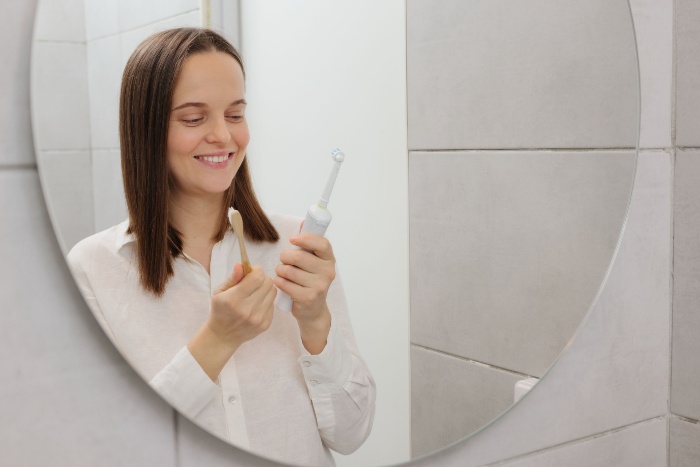
The electric vs manual toothbrush debate often comes down to personal preference, but there are some important differences worth considering. At Dental Care of Wheaton in Wheaton, IL, we want to help you make informed decisions about your oral health. Let’s take a closer look at what dentists recommend and which option might be best for your smile.
Why Your Toothbrush Choice Matters
Your toothbrush helps remove plaque, a sticky film of bacteria that constantly forms on your teeth. When plaque isn’t removed regularly, it can turn into tartar, contribute to cavities, gum inflammation, and eventually gum disease. Both electric and manual toothbrushes can effectively remove plaque when used correctly. However, factors such as brushing technique, pressure, and consistency can affect how well your toothbrush works. Choosing a toothbrush that makes brushing easier and more comfortable for you can make you more likely to brush your teeth twice a day, which will help you maintain better oral hygiene over time.
Understanding Manual Toothbrushes
The traditional manual toothbrush has been the standard of oral hygiene for generations. It is basic and straightforward. They’re affordable, easy to find, and don’t require batteries or charging. One of the biggest advantages of manual toothbrushes is that they give you complete control over your brushing technique. The effectiveness of a manual toothbrush largely depends on how you use it. Brushing for two full minutes with gentle, circular motions can remove plaque and keep your teeth clean. However, it’s easy to brush too aggressively, miss certain areas, or stop brushing before the recommended two minutes are up, and these habits can impact how well you clean your teeth.
Understanding Electric Toothbrushes
Although manual toothbrushes can clean teeth very well, their effectiveness depends heavily on how someone brushes. Electric toothbrushes help reduce that reliance on technique by automatically moving the bristles. Some of the biggest benefits of electric toothbrushes include:
- More Consistent Plaque Removal: Powered brushing movements can make it easier to clean around teeth and along the gumline.
- Built-In Timers: Many models help you brush for the recommended two minutes.
- Pressure Sensors: Certain toothbrushes alert you when you’re brushing too hard.
- Easier Brushing: The powered brush head does much of the work, making brushing more manageable for some people.
What Do Dentists Recommend?
The American Dental Association (ADA) doesn’t pick a side. It says manual and powered toothbrushes can both be used effectively. Its main advice is to brush twice a day for two minutes with a soft-bristle toothbrush and fluoride toothpaste. However, research suggests that electric toothbrushes offer a modest advantage in reducing plaque and gingivitis, particularly models with oscillating-rotating brush heads. But that doesn’t mean you need an expensive toothbrush to maintain a healthy smile. A soft-bristle manual toothbrush can still provide excellent results when paired with proper brushing techniques. Dentists may recommend electric brushes to people who:
- Have gum inflammation or keep building up plaque
- Wear braces or have dental implants
- Have arthritis or limited hand strength
- Brush too hard or don’t brush for the full two minutes
Tips for Brushing Effectively Regardless of Toothbrush Type
Ultimately, how you brush matters just as much as what you brush with, keep these tips in mind:
- Master the Angle: Hold your toothbrush at a 45-degree angle toward your gum line.
- Avoid Scrubbing: If using a manual brush, move in gentle, circular strokes rather than sawing back and forth. To learn how to properly use an electric toothbrush, simply glide the moving brush head slowly from tooth to tooth without scrubbing.
- Track the Clock: Brush twice daily for a full two minutes. Dedicate 30 seconds to each quadrant of your mouth.
- Don’t Forget Your Tongue: Gently brush your tongue to clear away bacteria and keep your breath fresh.
- Floss Daily: Neither brush can clean the tight spaces directly between your teeth, making daily flossing vital.
Let Us Help You Figure It Out
Contact Dental Care of Wheaton in Wheaton, IL, for guidance on choosing between electric vs manual toothbrush options. Find the toothbrush that fits your needs and daily routine. Your next dental visit is a great opportunity to ask questions and discuss your brushing habits. You don’t have to sort through every feature or product claim on your own. Schedule an appointment today!
Frequently Asked Questions
Is an Electric Toothbrush Worth the Cost?
For many people, yes. Electric toothbrushes can improve plaque removal and make brushing easier, especially if you struggle with proper technique. However, a manual toothbrush can still be effective.
Which Toothbrush Is Best for Sensitive Gums?
A soft-bristled toothbrush is best for sensitive gums. Electric models with pressure sensors and sensitive brushing modes may offer additional comfort.
Are Electric Toothbrushes Safe for Children?
Yes! Age-appropriate electric toothbrushes are generally safe for children when used correctly. Younger children should brush with adult supervision and assistance.
How Often Should I Replace My Toothbrush or Brush Head?
Replace your manual toothbrush or electric toothbrush head every 3 to 4 months, or sooner if the bristles become frayed or worn.